

Complete Guide to SEO Tools 2025: Everything You Need to Rank
DISCLOSURE: We earn a commission if you make a purchase through links on this page, at no additional cost to you.
What's Inside This Guide
- Why SEO Tools Matter in 2025
- What Are SEO Tools and How Do They Work?
- Keyword Research Tools: Finding What People Search For
- Rank Tracking Tools: Monitor Your Search Positions
- Backlink Analysis Tools: Understanding Your Link Profile
- Technical SEO Audit Tools: Finding and Fixing Issues
- All-in-One SEO Suites: Complete Solutions
- How to Choose the Right SEO Tools for Your Needs
- Getting Started: Your First Steps with SEO Tools
- Final Thoughts and Next Steps
Why SEO Tools Matter in 2025
Did you know that over 53% of all trackable website traffic comes from organic searches? This statistic highlights the immense value of SEO in driving visitors to your site. In 2025, SEO tools are more critical than ever. They help you harness that potential to boost your online presence.
What Do SEO Tools Do?
SEO tools simplify complex tasks. They help you:
- Analyze Keywords: Find the right words to target your audience.
- Track Rankings: See where your site stands in search results.
- Audit Websites: Identify and fix technical issues.
- Research Competitors: Gain insights into what others in your niche are doing.
These tools save time and provide data that can guide your strategy. Without them, staying ahead in the digital race is challenging.
Why Are They Essential?
SEO tools are essential for several reasons:
- Efficiency: They automate repetitive tasks, freeing up your time.
- Accuracy: Get precise data to make informed decisions.
- Insight: Understand your audience and market better.
- Performance: Improve your website’s visibility and traffic.
This guide will show you how to use these tools effectively. Whether you're new to SEO or a seasoned pro, you'll find valuable tips here.
What You Will Learn
In this comprehensive guide, you'll discover:
- Types of SEO Tools: Learn about keyword research, site audit, and backlink analysis tools.
- How to Choose Tools: Find the best tools for your needs and budget.
- Tips for Using Tools: Get practical advice on maximizing their benefits.
- Emerging Trends: Stay updated with the latest SEO developments.
By the end, you'll be equipped with the knowledge to enhance your SEO strategy in 2025.
Table of Contents
- Introduction to SEO Tools
- Importance of Keyword Research
- Site Audit Essentials
- Competitor Analysis Techniques
- Top SEO Tools in 2025
- Choosing the Right Tool for You
- Tips for Effective SEO Strategies
- Future Trends in SEO
Use these insights to elevate your website's organic reach. Explore related articles to deepen your understanding and stay ahead of the curve.
What Are SEO Tools and How Do They Work?
SEO tools are software applications that help improve a website's visibility in search engine results. They provide insights and functionalities that make optimizing a site for search engines easier. Understanding how these tools work can help you make informed decisions and enhance your site's performance.
Main Categories of SEO Tools
SEO tools can be grouped into several main categories, each serving a unique purpose in the optimization process.
Keyword Research
Keyword research tools help identify the terms and phrases people use when searching online. They provide data on search volume, competition, and trends. This information helps you choose the best keywords to target. For beginners, tools like KWFinder are user-friendly and effective. To dive deeper into keyword research, check out our Free Keyword Research Guide for 2025 SEO.
Rank Tracking
Rank tracking tools monitor where your website appears on search engine results pages (SERPs) for specific keywords. They help you assess the effectiveness of your SEO efforts. You can track changes over time and adjust your strategies accordingly. Tools like SERPWatcher from Mangools are great for beginners. For more on analyzing search results, see the SERPChecker Guide.
Backlink Analysis
Backlink analysis tools evaluate the links pointing to your website. Backlinks are crucial for SEO as they signal to search engines that your site is trustworthy and authoritative. Tools like Ahrefs and Moz provide detailed insights into your backlink profile. Beginners might start with simpler tools like Google Search Console.
Site Audit
Site audit tools scan your website for technical issues that could affect search engine rankings. They check for broken links, duplicate content, and other errors. Tools like SEMrush and Screaming Frog are popular choices. They help ensure your site is optimized for both search engines and users.
Free vs. Paid Tools: When to Upgrade
SEO tools come in both free and paid versions. Free tools are great for beginners or small businesses with limited budgets. They provide basic functionalities and insights. However, as your site grows, you may need more advanced features.
Paid tools offer comprehensive data and additional features that can significantly enhance your SEO efforts. Consider upgrading when:
– You need more in-depth analysis.
– You're managing multiple websites.
– Your site has complex SEO needs.
Tools like Mangools offer a suite of tools that are perfect for those ready to take their SEO to the next level.
In conclusion, choosing the right SEO tools depends on your specific needs and goals. Whether you're just starting or looking to optimize an established site, understanding these tools can help you rank higher on search engines. For more tips on improving your rankings, visit our How to Rank on Google in 2025: SEO Guide.
Keyword Research Tools: Finding What People Search For

Understanding what people search for is crucial in SEO. Keyword research helps you discover the terms your audience uses. This insight allows you to create content that meets their needs and ranks well in search engines.
Why Keyword Research Matters
Keyword research is the backbone of any SEO strategy. It guides your content creation and optimization efforts. By knowing the words your audience uses, you can tailor your content to match their search intent. This alignment increases your chances of appearing in search results, driving more traffic to your site.
Key Metrics in Keyword Research
To effectively use keywords, you need to understand some essential metrics:
- Search Volume: This indicates how often a keyword is searched. A high search volume means more potential traffic.
- Keyword Difficulty: This shows how hard it is to rank for a keyword. Higher difficulty means more competition.
- Cost Per Click (CPC): This metric is crucial for paid search strategies. It tells you how much advertisers pay for each click on ads using this keyword.
Long-Tail vs Short-Tail Keywords
Keywords can be either long-tail or short-tail:
- Short-Tail Keywords: These are broad, general terms. They usually have high search volumes and high competition. For example, “shoes.”
- Long-Tail Keywords: These are more specific phrases. They tend to have lower search volumes but higher conversion rates. For example, “women's running shoes size 8.”
Long-tail keywords are often more effective for niche targeting and attracting qualified leads.
Recommended Keyword Research Tools
Here's a look at some top tools to consider for your keyword research needs:
- Google Keyword Planner: A free tool that provides keyword ideas and traffic estimates. It's great for beginners looking to start with basic keyword research.
- KWFinder: This tool is known for its user-friendly interface and accurate data. It’s perfect for finding long-tail keywords with low SEO difficulty. For more details, read our KWFinder Review 2025: Best Keyword Research Tool?.
- SEMrush: A comprehensive tool that offers in-depth keyword analysis. It also provides competitive research, making it ideal for detailed strategies. Check out our comparison of Mangools vs Semrush: Best SEO Tool for Beginners.
- Ahrefs: Known for its extensive keyword database and competitive analysis features. It’s well-suited for both beginners and advanced users. If you're deciding between tools, see our comparison of Mangools vs Ahrefs: Best SEO Tool for Small Biz?.
- Mangools: This suite offers a range of tools including KWFinder, making it a strong choice for keyword research. For a detailed look, see our Mangools Review 2025: Complete SEO Toolkit Analysis.
Choosing the Right Tool
Selecting the right tool depends on your needs:
- Budget: Consider how much you’re willing to spend. Some tools offer free versions or trials.
- Features: Identify what features are most important for your strategy.
- Ease of Use: Choose a tool that fits your technical expertise. Some platforms are more user-friendly than others.
For a cost analysis of a popular tool, check out Mangools Pricing 2025: Plans & Cost Review.
Conclusion
Keyword research tools are essential for finding out what people search for. Understanding key metrics like search volume, difficulty, and CPC helps you choose the right keywords. Whether focusing on long-tail or short-tail keywords, the right tools make the process easier and more effective. Explore different options to find the tool that best fits your SEO strategy.
Rank Tracking Tools: Monitor Your Search Positions
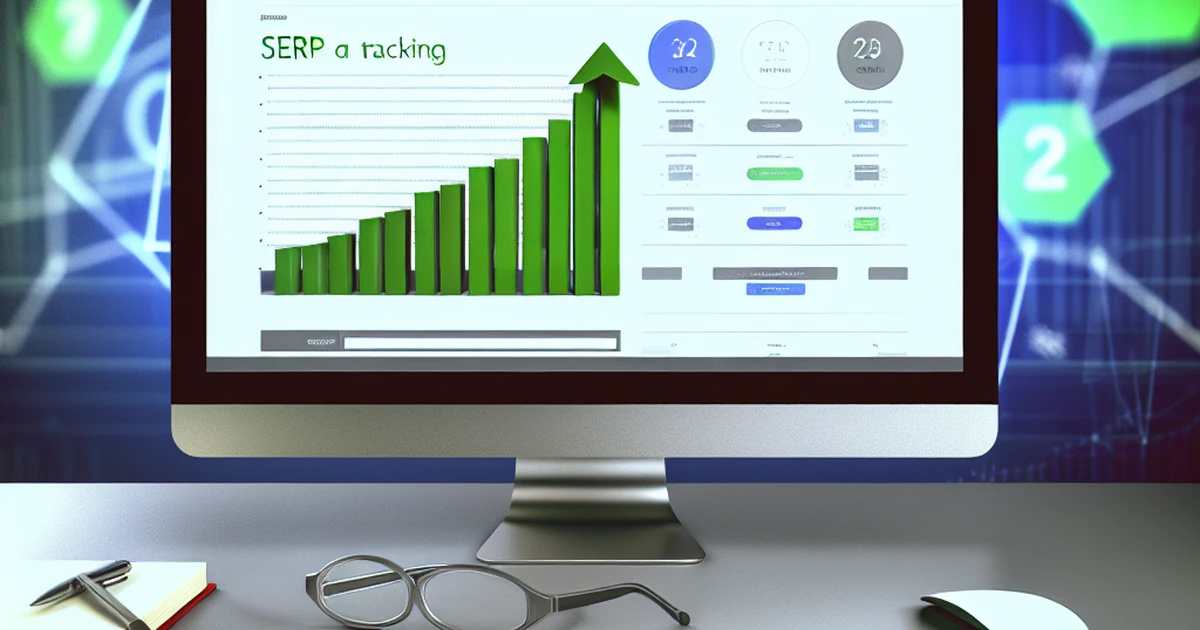
Rank tracking is a crucial part of any SEO strategy. It lets you see where your website stands in search engine results. Knowing your ranking helps you understand how well your SEO efforts are working and where you need to improve.
Why Rank Tracking Matters
Tracking your search positions shows you the effectiveness of your SEO tactics. It helps you spot trends and see how changes on your site affect your ranking. By keeping an eye on your positions, you can:
- Identify which keywords are driving traffic
- Detect ranking drops and address issues quickly
- Measure the impact of SEO changes
Regularly checking your rankings helps you stay competitive and adapt to changes in search algorithms.
Tracking Frequency
Deciding how often to check your rankings depends on your goals and resources. Some businesses prefer daily updates, while others might check weekly.
- Daily Tracking: Useful for highly competitive industries or during an SEO campaign.
- Weekly Tracking: Sufficient for ongoing monitoring and less competitive niches.
Choose a frequency that matches your needs without overwhelming your resources.
Competitor Monitoring
Understanding your competitors' rankings is as important as tracking your own. By monitoring their positions, you can:
- Spot trends and strategies they use
- Identify new opportunities
- Adjust your tactics to stay ahead
Tools that offer competitor analysis can give you insights into their strengths and weaknesses. This knowledge helps you refine your strategy for better results.
Local vs Global Ranking
Knowing where your audience is located can affect your rank tracking strategy. Local and global rankings provide different insights:
- Local Ranking: Important for businesses targeting specific geographic areas. Tracks how you rank in local search results.
- Global Ranking: Shows your position worldwide. Useful for brands with international reach.
Choose your focus based on your target market. Some tools offer the flexibility to track both, which is ideal for businesses with diverse audiences.
Recommended Tools
Several tools can help you track your rankings effectively. Here are some top choices:
- SEMrush: A comprehensive tool offering keyword tracking, competitor analysis, and more. Learn more about it in our Semrush Review 2025: Complete SEO Tool Analysis.
- Mangools: Known for its user-friendly interface and accurate data. It includes tools like SERPChecker for rank tracking. Find out more in our Mangools Review 2025: Complete SEO Toolkit Analysis.
- KWFinder: Part of the Mangools suite, this tool excels in keyword research and rank tracking. Check out our KWFinder Review 2025: Best Keyword Research Tool?.
- Ahrefs: Offers detailed rank tracking with competitor insights. It's a robust tool for comprehensive SEO analysis.
These tools vary in features and pricing. Consider your budget and specific needs when choosing the right one. For a detailed look at Mangools pricing, visit Mangools Pricing 2025: Plans & Cost Review.
In conclusion, rank tracking is essential for understanding your SEO performance. By monitoring your search positions, you can make informed decisions to improve your online visibility and stay ahead of competitors. Choose the right tools and tracking frequency to align with your business goals.
Backlink Analysis Tools: Understanding Your Link Profile

Backlinks, also known as inbound links, are links from other websites pointing to your site. They are crucial for SEO because they signal to search engines that your content is valuable and trustworthy. The more high-quality backlinks you have, the better your chances of ranking higher on search engine results pages (SERPs). Understanding your link profile is essential for effective SEO strategies.
Why Backlinks Matter in SEO
Backlinks act as votes of confidence from other sites. When a reputable site links to your content, it indicates your material is worth reading. This not only helps improve your visibility but also drives organic traffic to your website. In 2025, mastering backlink strategies remains vital for anyone serious about improving their search rankings.
Key Metrics in Backlink Analysis
When analyzing your backlinks, focus on these crucial metrics:
- Domain Authority (DA): This metric predicts a website's ability to rank in search engines. Higher DA indicates a stronger potential for ranking.
- Referring Domains: The number of unique domains linking to your website. More referring domains usually mean a healthier backlink profile.
- Anchor Text: The clickable text in a hyperlink. It's important that this is relevant and varied to avoid penalties from search engines.
Basics of Link Building Strategy
A solid link-building strategy is vital for enhancing your SEO performance. Here are some basics to consider:
- Create Quality Content: High-quality, original content naturally attracts backlinks. Focus on creating insightful and engaging material that others want to link to.
- Guest Blogging: Write articles for reputable sites in your niche. This not only earns you backlinks but also expands your audience.
- Broken Link Building: Find broken links on other sites, and offer your content as a replacement. This is a win-win for both parties involved.
For more detailed strategies, check out our How to Rank on Google in 2025: SEO Guide.
Recommended Backlink Analysis Tools
Several tools can help you analyze your backlink profile. Here’s a look at some top options:
- Ahrefs: Known for its comprehensive backlink analysis, Ahrefs provides insights into domain authority, referring domains, and anchor texts. It’s a reliable choice for any SEO professional.
- Moz Link Explorer: This tool offers detailed reports on backlinks and helps identify link-building opportunities. It’s particularly useful for assessing domain authority.
- SEMrush: As an all-in-one tool, SEMrush provides extensive backlink data, helping you understand your link profile and track your progress.
- Mangools LinkMiner: Part of the Mangools suite, LinkMiner is user-friendly and effective for backlink analysis. Learn more about its capabilities in our Mangools Tutorial 2025: Master All 5 SEO Tools.
- Google Search Console: A free tool from Google that offers basic but essential insights into your backlinks. It’s a great starting point for anyone new to backlink analysis.
For those interested in exploring more about Mangools‘ pricing and features, visit our Mangools Pricing 2025: Plans & Cost Review.
Conclusion
Understanding and analyzing your backlink profile is a crucial part of a successful SEO strategy. By focusing on key metrics and employing effective link-building tactics, you can improve your site's authority and visibility. Utilize the recommended tools to gain comprehensive insights and take actionable steps toward enhancing your search rankings. To further refine your SEO approach, consider integrating keyword research strategies from our Free Keyword Research Guide for 2025 SEO.
Technical SEO Audit Tools: Finding and Fixing Issues
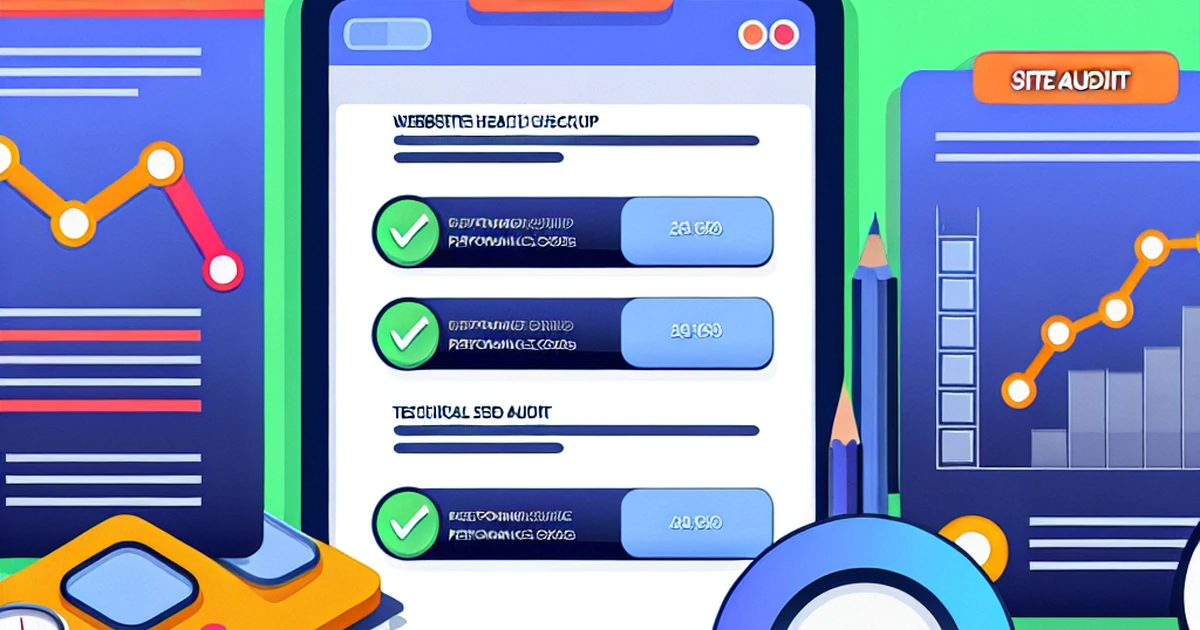
Technical SEO is the backbone of your website's performance. It ensures that search engines can crawl and index your site effectively, making it visible to users. Ignoring technical SEO can lead to poor rankings, even if your content is top-notch. Let's explore common issues and the tools to fix them.
Common Technical SEO Issues
Several technical issues can affect your site's performance:
- Broken Links: These disrupt user experience and hinder search engine crawling.
- Slow Page Load Times: Affects both user satisfaction and search rankings.
- Mobile Usability Problems: With mobile-first indexing, a mobile-friendly site is crucial.
Addressing these issues can significantly improve your site's visibility and ranking potential.
Crawling and Indexing
Crawling is how search engines discover your pages, while indexing refers to storing and organizing your site's content. If search engines can't crawl or index your pages properly, your site won't appear in search results optimally. To ensure effective crawling and indexing, use tools that identify and resolve these issues.
Recommended Tools for Technical SEO Audits
Several tools can help you pinpoint and fix technical SEO problems:
- Google Search Console: Offers insights into crawling issues and indexing status. It's a must-have for tracking your site's performance.
- Screaming Frog SEO Spider: This tool helps identify broken links, redirects, and duplicate content. It's excellent for in-depth site audits.
- GTmetrix: Provides detailed analysis of your site's load times and performance. It offers actionable recommendations to speed up your pages.
- SEMrush: This tool offers a comprehensive site audit feature that covers various technical issues. It also helps track your site's health over time.
- Mangools: Known for its user-friendly tools, Mangools offers insights into SERPChecker and KWFinder. Learn more about using Mangools effectively in our Mangools Tutorial 2025.
Action Steps for Technical SEO
To maintain a healthy website, conduct regular audits:
- Run Regular Checks: Use tools like Google Search Console to monitor crawling and indexing.
- Fix Broken Links: Regularly use Screaming Frog to identify and fix broken links.
- Optimize Page Speed: Implement GTmetrix's recommendations to improve load times.
- Ensure Mobile Compatibility: Use Google's Mobile-Friendly Test to check your site's mobile usability.
For a deeper dive into how these tools can aid your overall SEO strategy, refer to our How to Rank on Google in 2025: SEO Guide.
By addressing technical SEO issues, you'll create a solid foundation for your site's growth. Regular audits and timely fixes ensure search engines and users have the best experience possible. This proactive approach will keep your site competitive in the ever-evolving SEO landscape.
All-in-One SEO Suites: Complete Solutions
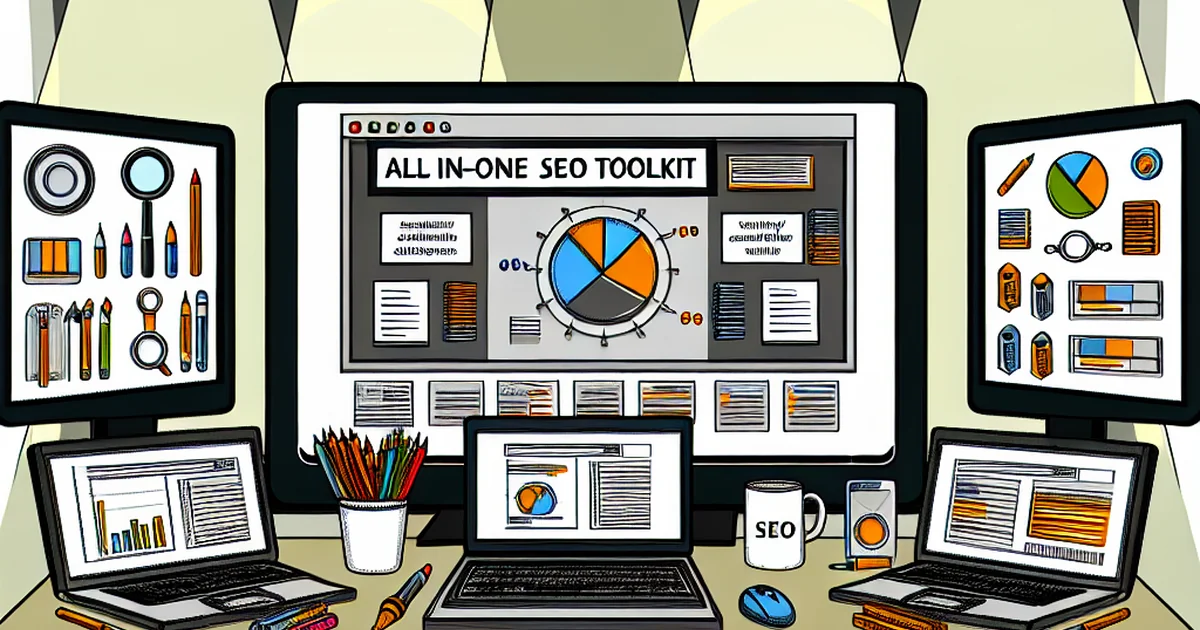
In the ever-evolving world of SEO, having a comprehensive toolkit can be a game-changer. All-in-one SEO suites bring together various tools under one roof, streamlining your efforts and saving time. These integrated solutions offer keyword research, site audits, backlink analysis, and much more. By using a single platform, you can manage all aspects of SEO efficiently and effectively.
Why Choose Integrated Tools?
Integrated SEO tools provide several benefits:
- Efficiency: With everything in one place, you can switch between tasks without logging into separate services.
- Data Consistency: Access consistent data across different SEO functions.
- Cost-Effectiveness: Bundles often reduce the total cost compared to buying individual tools.
Comparing Major Suites
Let's take a closer look at four major SEO suites: Mangools, Semrush, Ahrefs, and Moz.
Mangools
Mangools is a favorite among small businesses and beginners. It offers a user-friendly interface with essential tools like KWFinder, SERPChecker, and LinkMiner. Mangools is known for its affordability, making it a great choice for those just starting out. For a detailed look, check out the Mangools Review 2025: Complete SEO Toolkit Analysis.
- Pros: Easy to use, affordable, excellent keyword research with KWFinder.
- Cons: Limited advanced features compared to competitors.
For pricing details, read Mangools Pricing 2025: Plans & Cost Review.
Semrush
Semrush is a robust suite that offers tools for SEO, PPC, social media, and content marketing. It's a powerhouse for those looking to handle multiple digital marketing tasks from a single platform.
- Pros: Comprehensive features, competitive analysis, and detailed site audits.
- Cons: Higher cost, which might be overkill for beginners.
For beginners, a comparison between Mangools vs Semrush: Best SEO Tool for Beginners might help in making a decision.
Ahrefs
Ahrefs is renowned for its backlink analysis capabilities. It's ideal for businesses focusing on link-building strategies. Ahrefs also offers robust keyword research and site audit tools.
- Pros: Exceptional backlink analysis, detailed keyword data.
- Cons: Higher price point, steep learning curve for new users.
If you're a small business, consider reading Mangools vs Ahrefs: Best SEO Tool for Small Biz? to see how Ahrefs stacks up.
Moz
Moz is a veteran in the SEO space, offering comprehensive tools for site audits, rank tracking, and keyword research. It's a solid choice for businesses looking for reliable SEO solutions.
- Pros: Strong community support, reliable metrics.
- Cons: Limited in certain advanced features, can be pricey.
Pricing Tiers and Value
Each suite offers different pricing tiers, providing flexibility based on your needs and budget.
- Mangools: Known for affordability, starting at around $30/month. Ideal for small businesses and beginners. More details in Mangools Pricing 2025: Plans & Cost Review.
- Semrush: Pricing starts at around $120/month, offering extensive features suitable for larger teams and businesses.
- Ahrefs: Begins at approximately $99/month, focusing on high-quality data and link-building.
- Moz: Starts at about $99/month, providing a balanced set of SEO tools.
Choosing the Right Suite for Your Needs
When selecting an SEO suite, consider:
- Your Experience Level: Beginners might prefer Mangools for its simplicity.
- Budget: Mangools offers budget-friendly options, while Semrush and Ahrefs provide more features at a higher cost.
- Specific Needs: If backlink analysis is crucial, Ahrefs is unbeatable. For a broader marketing approach, Semrush excels.
By evaluating your needs and budget, you can choose the most suitable all-in-one SEO suite to boost your rankings and streamline your digital marketing efforts.
How to Choose the Right SEO Tools for Your Needs
Choosing the right SEO tools can seem overwhelming. With so many options, it's hard to know where to start. Here’s a simple guide to help you decide based on your budget, skill level, and business needs.
Consider Your Budget
Your budget plays a big role in your decision. Here’s what you can do:
- Limited Budget: Start with free tools. They offer basic features that can kickstart your SEO journey. As you grow, consider upgrading to paid tools.
- Flexible Budget: Invest in comprehensive tools. They provide advanced features that save time and improve results.
Assess Your Skill Level
Your experience with SEO will impact the tools you choose:
- Beginners: Look for user-friendly tools. They should have clear instructions and tutorials. Tools like Google Analytics and Google Search Console are great starting points.
- Intermediate/Advanced Users: Choose tools with more robust features. SEMrush or Ahrefs offer in-depth analysis and insights.
Account for Business Size
The size of your business affects your needs:
- Small Businesses/Solo Bloggers: You need tools that are cost-effective and efficient. Many options cater specifically to bloggers. Check out the best keyword research tools for bloggers in 2025 for ideas.
- Medium to Large Businesses: Look for tools that offer collaboration features. They should accommodate multiple users and projects.
Recommendations for Different Needs
Beginner Recommendations
- Google Analytics: Understand visitor behavior and traffic sources.
- Google Search Console: Monitor your site’s presence in search results.
- Yoast SEO (for WordPress users): Optimize content easily with this plugin.
Intermediate/Advanced Recommendations
- SEMrush: Perfect for keyword research, site audits, and competitor analysis.
- Ahrefs: Offers backlink analysis and site explorer features.
- Moz Pro: Provides detailed metrics for SEO tracking and improvements.
Agency Recommendations
Agencies need tools that can handle multiple clients and provide detailed reports:
- SEMrush Agency Growth Kit: Offers all-in-one solutions for agencies.
- Ahrefs: Great for in-depth competitor analysis and link building.
- Majestic: Focuses on link intelligence and tracking.
Solo Blogger Recommendations
As a solo blogger, you need affordable yet effective options:
- Ubersuggest: Offers keyword suggestions and site audits.
- Rank Math (for WordPress users): A free plugin with advanced features.
- Google Trends: Keep track of trending topics and keywords.
Final Tips
- Trial Periods: Many tools offer free trials. Use them to see if the tool fits your needs.
- Customer Support: Check for tools with good customer support. It can be a lifesaver when you face technical issues.
- Reviews and Recommendations: Read reviews and ask for recommendations from peers. Real-world experiences can guide your decision.
Picking the right SEO tools requires considering several factors. By assessing your budget, skill level, and business size, you can find tools that fit your needs perfectly. Remember, the right tool can make your SEO work much more efficient and effective.
Getting Started: Your First Steps with SEO Tools
Embarking on the journey of SEO can be overwhelming, but with the right tools and guidance, you can set a strong foundation. This section will walk you through the essential first steps to get started with SEO tools effectively.
Setting Up Your First Project
- Choose the Right SEO Tool: Begin by selecting a trustworthy SEO tool that fits your needs. If you're unsure, Mangools offers a user-friendly interface and comprehensive features.
- Create an Account: Sign up for your chosen tool. Most platforms offer a free trial, allowing you to explore their features without commitment.
- Define Your Goals: Clearly identify what you want to achieve. Are you aiming to increase website traffic, improve search rankings, or enhance content visibility?
- Set Up Your Website: Add your website to the SEO tool. This usually involves verifying your site ownership through a simple code insertion or file upload.
Key Metrics to Track First
- Organic Traffic: Monitor the number of visitors coming to your site from search engines. A steady increase indicates effective SEO strategies.
- Keyword Rankings: Track how well your pages rank for targeted keywords. Use tools like KWFinder to identify low competition keywords that can boost your visibility.
- Backlinks: Examine the number and quality of sites linking to yours. More high-quality backlinks can improve your site's authority.
- Page Speed: Ensure your website loads quickly. A fast site improves user experience and can boost search rankings.
Common Beginner Mistakes to Avoid
- Ignoring Keyword Research: Effective SEO starts with thorough keyword research. Utilize our Free Keyword Research Guide for 2025 SEO to find keywords that align with your content.
- Overlooking On-Page SEO: Optimize every page with targeted keywords, meta tags, and headings. This can significantly affect your ranking potential.
- Neglecting Mobile Optimization: With mobile searches on the rise, ensure your site is mobile-friendly. Google prioritizes sites that perform well on mobile devices.
- Skipping Regular Audits: Regularly audit your site to identify and fix issues. Tools like the SERPChecker can help analyze search results and spot areas for improvement.
Embarking on your SEO journey with these steps will set you on the path to success. For more detailed strategies, check out our How to Rank on Google in 2025: SEO Guide. By avoiding common pitfalls and focusing on key metrics, you'll build a solid SEO foundation that supports long-term growth.
Final Thoughts and Next Steps
Key Takeaways
Understanding SEO tools is crucial for boosting your website's visibility. We've covered a variety of tools that cater to different needs:
- Keyword Research Tools: Help find the right words to target.
- On-Page SEO Tools: Optimize your content and website structure.
- Technical SEO Tools: Ensure your site runs smoothly and loads quickly.
- Link Building Tools: Improve your site's authority through quality backlinks.
- Rank Tracking Tools: Monitor your progress and adjust strategies as needed.
Top Recommendation
Among the tools we discussed, SEMrush stands out as the best all-around choice. It offers a comprehensive suite of features that cover all aspects of SEO. Whether you're a beginner or an expert, SEMrush provides valuable insights to enhance your strategies.
Encourage Action
Now that you're familiar with these tools, it's time to take action. Start by selecting one tool from each category that suits your needs. Use these tools to audit your website and identify areas for improvement. Implement changes and track your progress regularly.
Next Steps
- Choose Your Tools: Select one tool from each category.
- Conduct an SEO Audit: Use your chosen tools to assess your site.
- Implement Changes: Optimize your content and fix technical issues.
- Monitor Results: Use rank tracking tools to measure success.
For more detailed strategies, check out our Beginner's Guide to Keyword Research and How to Improve Your Site's SEO in 10 Steps. These resources will help you deepen your understanding and refine your approach.
Stay proactive and keep learning. SEO is always changing, and staying updated is key to maintaining your rankings.
More Resources
Explore our detailed guides and reviews:
Step-by-Step Guides
- How to Rank on Google in 2025: SEO Guide
- Free Keyword Research Guide for 2025 SEO
- Mangools Tutorial 2025: Master All 5 SEO Tools
- SERPChecker Guide: How to Analyze Search Results
- Find Low Competition Keywords – A KWFinder Tutorial
Best-Of Lists
In-Depth Reviews
- Mangools Pricing 2025: Plans & Cost Review
- Mangools Review 2025: Complete SEO Toolkit Analysis
- KWFinder Review 2025: Best Keyword Research Tool?
- Semrush Review 2025: Complete SEO Tool Analysis
Tool Comparisons
Content Notice: This article was created with AI assistance and reviewed by our editorial team for accuracy, quality, and compliance. We use AI to help research and structure content, but all recommendations are based on thorough evaluation.
Ready to try WP Rocket?
Make your WordPress site load in under 2 seconds. No coding required.
Ready to try Serpstat?
SEO platform with keyword research, rank tracking, and competitor analysis.